TWEED FABRIC FOR APPAREL BUYERS
Tweed fabric: patterns, specifications and sampling
Turn pattern, colour and garment ideas into a clearer fabric brief.
Explore checks, broken checks and textured colour stories for jackets, coats and coordinated collections. Bring a better starting point to your next sample discussion with Fred Textile.
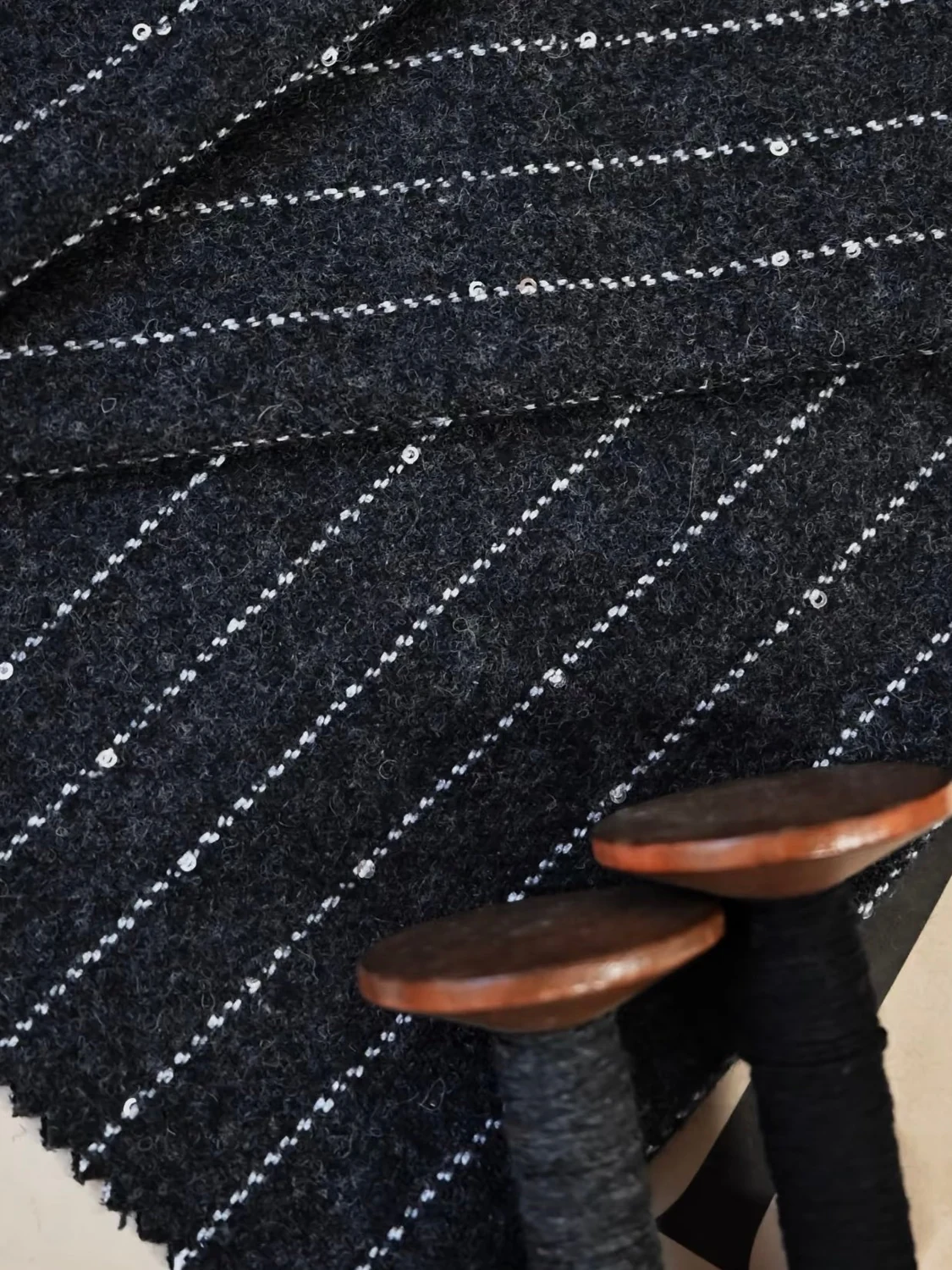
Start with the character of the cloth.
A pattern name begins the conversation. Scale, contrast and surface make the direction your own.
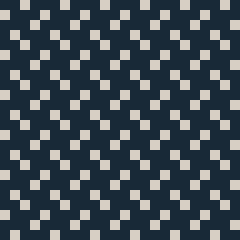 Illustrative motif
Houndstooth tweed: choose scale, colour and matching points
Compare houndstooth tweed directions for jacket development. Plan motif scale, colour contrast, matching points and a clearer sample request.
Read the guide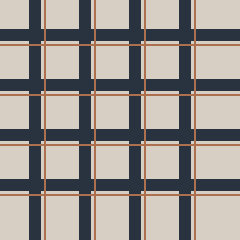 Illustrative motif
Check Tweed for Apparel Development
Intersecting bands make a grid. Record the two repeat directions and the separate colour roles before reviewing garment placement.
Read the guide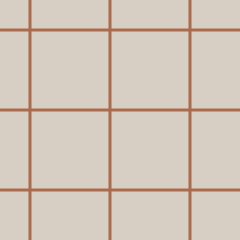 Illustrative motif
Plan a Windowpane Tweed
A relatively open grid leaves the ground colour visually prominent. Grid dimensions, line thickness and contrast belong in the brief as separate decisions.
Read the guide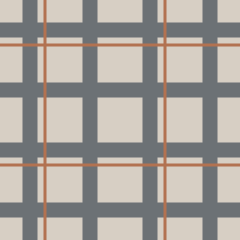 Illustrative motif
Understand Glen Check Tweed
A layered check combines smaller structures within a larger pattern. Review both the broad arrangement and the detail that gives it clarity.
Read the guide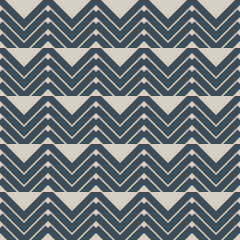 Illustrative motif
Where Herringbone Fits in a Tweed Collection
Alternating diagonal directions create the familiar zigzag effect. Herringbone is a pattern or weave direction found in different cloth categories, not a fibre composition.
Read the guide Illustrative motif
Select a Speckled Tweed Direction
Small coloured flecks sit within the ground. Describe fleck size, density and colour distribution rather than relying on a regional style name.
Read the guide Illustrative motif
Choose Heather and Melange Tweed
Mixed tones can create depth without a dominant geometric motif. Compare the overall colour impression as well as the individual yarn colours.
Read the guide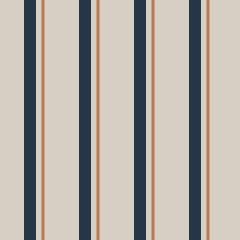 Illustrative motif
Plan Striped Tweed for Apparel
Direction, stripe spacing and colour rhythm define the visual brief. Record the repeat, not just the width of a single stripe.
Read the guideWhat are you developing?
A fitted jacket and a relaxed coat divide the same pattern differently. Include silhouette and construction in the first conversation.
Start with the Garment You Are Developing
Plan tweed appearance and construction around the actual garment: blazer, coat, skirt, trousers, overshirt or coordinated set.
Read the guideHow to write a useful tweed fabric specification
Prepare a tweed development brief with garment, motif, colour roles, confirmed requirements, targets, sampling needs and commercial questions.
Read the guideHow to request tweed fabric samples that answer a decision
Choose the sample format that supports your next tweed decision, from visual shortlist to colour review and garment trial.
Read the guideThree decisions before a sample round.
Identify one preferred pattern and one useful alternative. Describe whether the motif should read clearly from a distance or merge into a quieter texture. Compare the same colour direction at different scales rather than changing every variable at once.
Record ground, secondary and accent colours separately. Use a physical reference for approval; a screen palette is a starting point for discussion. A dark ground with a narrow light grid will read differently from a light ground with broad dark bands.
Mark visible matching points on the garment sketch. Front openings, pockets, lapels and centre-back seams can interrupt the design. Ask the garment maker to assess repeat, usable width and size range before estimating consumption.
Build a colour relationship.
Ground, secondary and accent are different roles. These palettes are illustrative colour boards, ready to refine against a physical sample.
Physical colour approval required.
Look beyond the close-up.
A close-up shows yarn and surface. A wider view shows the repeat, while a folded or hanging sample helps you discuss cloth body. This photograph is an unscaled visual reference: it does not establish fibre content, weight, width or current stock.
For a proper comparison, request a larger view with a reliable scale reference and identify the physical sample. Keep the supplier reference separate from an inspiration image.
Make the next sample useful.
Decide what you need the sample to answer: shortlist a direction, approve a colour relationship, or trial garment construction.
How to request tweed fabric samples that answer a decision
Choose the sample format that supports your next tweed decision, from visual shortlist to colour review and garment trial.
Read the guideIllustrative motifHoundstooth tweed: choose scale, colour and matching points
Compare houndstooth tweed directions for jacket development. Plan motif scale, colour contrast, matching points and a clearer sample request.
Read the guideHow to write a useful tweed fabric specification
Prepare a tweed development brief with garment, motif, colour roles, confirmed requirements, targets, sampling needs and commercial questions.
Read the guideFrom an idea to a fabric conversation.
-
Choose a direction
Start with one preferred motif and, if helpful, an alternative.
-
Define the project
Add the garment, colour roles, handfeel and specifications you already know.
-
Prepare the brief
Keep requirements, targets and open questions separate.
-
Discuss with Fred Textile
Confirm references, sampling, development feasibility and commercial terms.
Your next conversation is with Fred Textile.
TweedCloth helps organise the visual and practical direction of a tweed project. Fred Textile is the business contact for fabric references, sample requirements, development and commercial discussions. Review its published collections and production information on the main website.
Before you begin.
Can I enquire without a composition or weight?
Yes. Start with the garment, appearance and estimated quantity. Mark the specification points where you need advice.
Are these pictures a stock catalogue?
Pictures are labelled as fabric references or illustrations. Ask Fred Textile to confirm the current sample and supply position for the reference you need.
Can I use my own colour and pattern reference?
Describe it in the brief and share the reference directly with Fred Textile. Development feasibility and conditions are discussed for the individual project.
Can I order directly on this website?
This website prepares a fabric enquiry. Sampling, quotations and orders are discussed directly with Fred Textile.
Bring your tweed project to the sample table.
Tell Mr Kcal what you are making, the pattern and colour direction, and your expected quantity. Open questions are welcome.
Solve the next buying problem.
Not sure which tweed fabric to request?
Start with the decision that is blocking the garment. If the design looks wrong, compare motif scale and contrast. If the silhouette looks wrong, compare the actual drape and support. If the quotation is unclear, identify the reference, quantity by colour and sample stage. Choose the related guide below before writing an enquiry. A single photograph cannot resolve all three problems.
How can a buyer make the first supplier conversation useful?
Send one garment sketch, one preferred visual reference and one alternative. Label which features must stay and which can change. State the sample task and the date when that decision is needed. This gives the supplier a practical starting point for discussing candidates, development feasibility and commercial conditions.